
An online casino account is more than a username and password. It is a collection of connected tools that control access, secure funds, verify identity, and give players control over their own conduct. At Lemon Casino, these account mechanisms equate speed with security. A new user can move from registration to real-money play in minutes, while each layer behind the scenes works to keep the account safe. Comprehending how those tools function, from the first registration form through document checks, login security measures, and recovery procedures, eliminates uncertainty. Members can then focus on the amusement. The account area is not a single page. It is a collection of screens, checks, and configurations that work together. The sections beneath dissect each segment of the account journey. They explain what happens at every step, why it is important, and what a player should expect when handling a Lemon Casino profile.
6. Handling Account Settings and Safe Gaming Tools
Once connected, the account dashboard at Lemon Casino offers a set of tools that extend beyond basic profile editing. The “My Account” area is the place where players can change personal details, configure communication preferences, and review their transaction history. More importantly, it is the command center for responsible gaming features. These tools are built into the account architecture so limits are applied at the system level, not merely suggested. A player can establish daily, weekly, or monthly deposit limits that cannot be bypassed until the chosen period concludes. Any attempt to deposit beyond the cap is automatically blocked, and the player receives an on-screen notification clarifying the cause. A player can decrease a limit at any time, but increasing it usually waits until the current period ends.
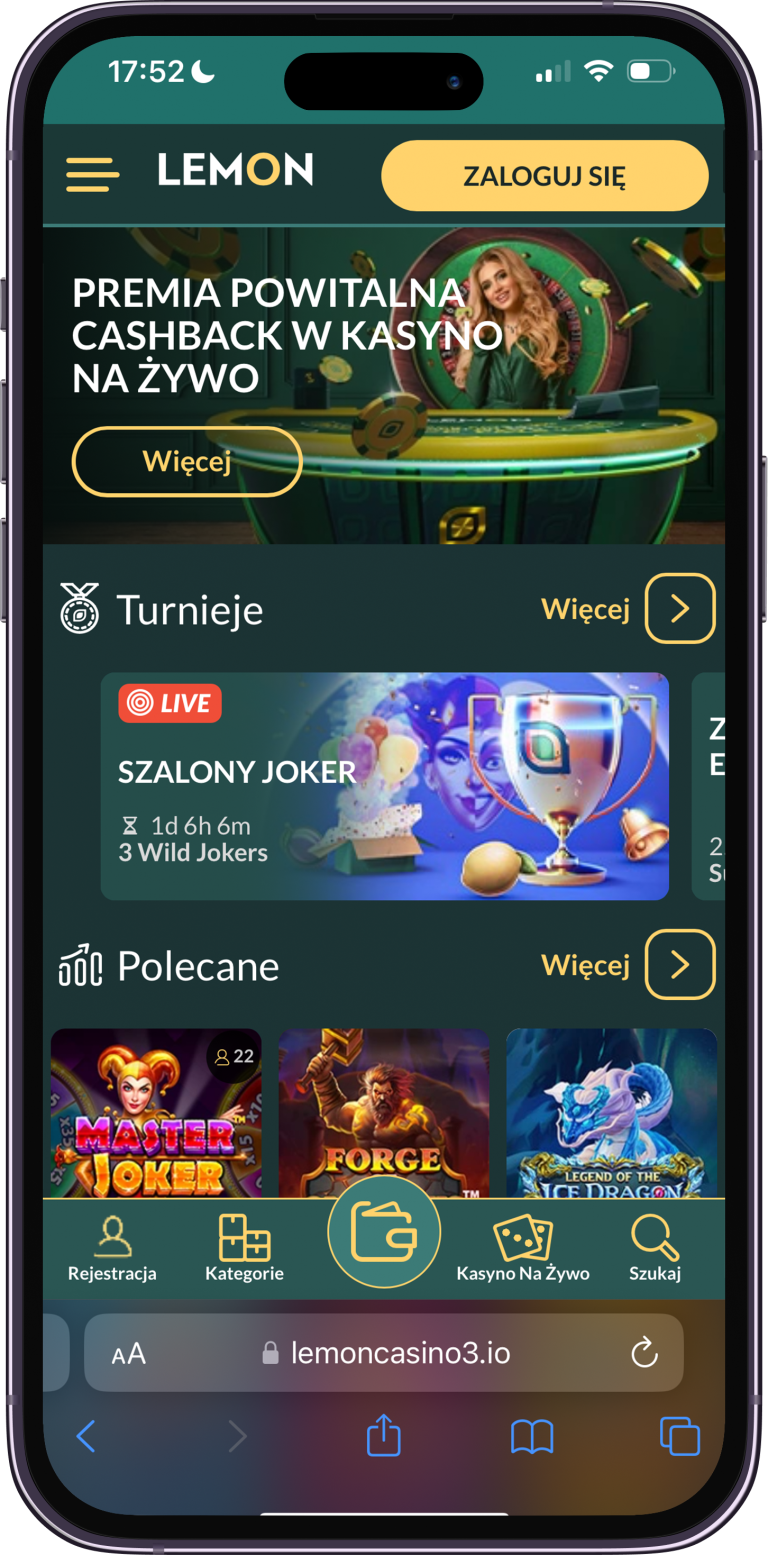
Other modifiable parameters include session time limits, which trigger a gentle reminder after a fixed number of minutes of continuous play, and reality checks that pop up at configurable intervals. These display the player how long they have been active, how much they have bet, and their net result for that session. For players who seek a more substantial break, the platform includes a cooling-off function that suspends the account for a specified period, anywhere from 24 hours to six weeks. During that time login is disabled and marketing messages are paused. Self-exclusion is the most definitive tool. It shuts down the account for a minimum of six months and stops the player from opening new accounts with the same operator. All these settings are applied instantly, and the changes are documented in an audit trail visible to the player, which reinforces transparency and personal accountability.
Two. Identity Validation: Why KYC Is Important and How It Functions
Know Your Customer (KYC) processes are not a administrative hurdle created by casinos. Licensing authorities require them to prevent underage gambling, money laundering, and identity fraud. At Lemon Casino, verification is built into the account dashboard. Players can check exactly what is needed and monitor the status of their submission. As soon as a player attempts a first withdrawal or hits a cumulative deposit threshold, the system requests them to upload documents. The prompt is clear. It lists accepted file formats (PDF, JPEG, PNG) and the maximum file size per document, usually 10 MB. That clarity helps players organize paperwork before they begin. It also is important because a missing document can delay a withdrawal.
The standard document set has three types. First, proof of identity: a valid passport, national ID card, or driving licence. The document must show the holder’s full name, photograph, and date of birth, and it must not be invalid. Second, proof of address: a recent utility bill, bank statement, or government-issued tax document dated within the last three months. The name and address on this document must correspond with the registration details exactly. Third, in some cases, proof of payment method: a photo of the front of a card with only the last four digits and the cardholder name visible, or a screenshot of an e-wallet account showing the owner’s name. Lemon Casino’s compliance team checks each submission by hand. Typical turnaround ranges from a few hours to one business day. Players get an email notification once the check is finished. If a document is rejected, the reason is provided precisely, such as a blurred image, an expired ID, or a mismatched address. The player can then correct it and re-upload without guesswork. Clear scans and full-page photos work better than tight close-ups.
1. The Account Setup Process: Stepwise Account Setup
Setting up an account at Lemon Casino starts with a compact multi-field form. It collects only the information a regulated operator needs. The first screen usually requests an email address, a robust password, and a selected currency. The password field validates complexity as you type: at least eight characters, one uppercase letter, one number, and one special symbol. That immediate validation prevents weak credentials from being submitted and lowers the chance of a later compromise. After the basics, the player acknowledges they are of legal gambling age and agrees to the platform’s terms and conditions. A single-click opt-in checkbox for marketing messages is independent and never pre-ticked, so consent remains explicit. Players can examine the rules before they submit anything, and the form displays errors next to the field that needs attention.
After the first part is submitted, the system transmits a time-limited verification email to the address supplied. The link inside must be clicked within a specified window, usually one hour, to confirm the inbox belongs to the registrant. This step stops bots and deters anyone from creating an account with an email they do not control. Once the email is verified, registration moves on with personal details: full legal name, date of birth, residential address, and mobile number. Each field is checked against formatting rules, and the date of birth is cross-checked instantly to ensure the player meets the minimum age requirement. At this point the account is technically open, but its functionality is limited until the next layer, identity verification, is completed. The window is short on purpose, because a stale link is a security risk.
4. Two-Factor Authentication: Introducing an Extra Lock to Your Account
Two-factor authentication (2FA) offers a critical layer to login by requiring something the player knows, the password, and something the player possesses, a time-based code. Lemon Casino lets players activate 2FA from the account security settings. Once activated, the system presents a QR code that can be scanned with any standard authenticator application, such as Google Authenticator or Authy. The app then creates a new six-digit code every 30 seconds. During later logins, after entering the correct password, the player is prompted for the current code. Without physical access to the linked device, an attacker cannot complete the login, even if they acquired the password through a data breach or phishing attack. The code changes constantly, so a stolen code has a short useful life.
Setting up 2FA also produces a set of one-time backup codes. These are single-use recovery keys. Store them offline, either printed on paper or saved in a secure password manager. If the player misplaces their phone or deletes the authenticator app, a backup code can bypass the 2FA challenge once. That enables the player regain access and reconfigure the method. 2FA is not a substitute for a strong password. It is a complementary layer. Players who enable it effectively eliminate the risk of credential-stuffing attacks, where automated bots test username-password pairs leaked from other websites. The small inconvenience of typing an extra six digits is the single most impactful step a player can take to secure a casino account against unauthorised access.
5. Credential Recovery and Password Recovery Options
Regardless of how carefully a password is chosen, it can be forgotten. Lemon Casino’s password reset flow is structured to be secure without being obstructive. On the login screen, a clearly indicated “Forgot Password?” link initiates the process. The player enters the email address linked to their account, and the system instantly sends a one-of-a-kind, time-limited reset link to that inbox. The link expires after a short window, generally 30 to 60 minutes, and may be used only once. Clicking it leads the player to a page where they can create a new password. The same complexity rules from registration are enforced. The old password is deactivated instantly, and any active sessions on other devices are ended, forcing a fresh login everywhere. A reset link is more reliable than sending a new password by email.
If a player has additionally lost access to their registered email account, recovery gets more complicated but remains possible. The support team is able to start an alternative identity verification process that reflects the original KYC check. The player might be asked to provide a selfie holding their ID document next to a handwritten note with the current date and the word “Lemon Casino.” They might also answer a series of security questions configured during account creation. This manual review requires more time, usually 24 to 48 hours, but it confirms the person requesting the email change is indeed the legitimate account holder. To avoid this scenario, players need to keep their email account similarly secure and add a backup contact method, such as a verified mobile number. That number may serve as a secondary recovery channel for password resets and 2FA code delivery.
3) Protected Login Systems: Beyond the Passcode
Each time a user enters login details on the Lemon Casino login page, multiple hidden security verifications run in parallel ahead of access is permitted https://lemonkaszino.org/en-gb2/login2/. The link is secured by TLS encryption. That scrambles the login name and secret key during transfer so a outsider on an unprotected network is unable to capture them. The web browser address bar shows a lock icon, which validates the digital certificate is authentic and the communication is encrypted. On the server side, the secret key is under no circumstances stored in readable form. It is hashed with a one-way cryptographic algorithm. Even in the case the data store were compromised, the true secret keys would remain unreadable. The lock is a quick visual inspection, but the encryption runs whether or not the player observes it.
Beyond encryption, the login mechanism applies request throttling and anomaly detection. If an invalid passcode is entered over a defined number of occasions from the exact IP address, often five attempts, the profile is temporarily blocked for a cooling-off duration, normally fifteen to thirty minutes. At the same time, the system records the device ID, browser variant, and geographic location of every login try. When a login arrives from a different machine or an unfamiliar nation, the mechanism might trigger a elevated verification challenge. It could transmit a one-time code to the on-file email or phone number. This dynamic method implies a user signing in from their regular home Wi-Fi experiences a rapid login. A questionable attempt from a different landmass is blocked until further confirmation of who they are is given. These mechanisms operate without manual input and require no adjustment from the member, yet they make up the core of account defence. The aim is to keep the common case straightforward and the unusual case time-consuming.
7. Fixing Typical Login and Verification Problems
Even with well-crafted tools, players occasionally hit hurdles. The most typical login problem is a “credentials not recognised” error, which often comes from a wrongly entered email address or an inadvertent caps-lock key. Before getting in touch with support, a player should review for extra spaces, check the keyboard language, and try a password reset if the issue persists. Another typical scenario is a locked account after numerous failed attempts. In this case, letting the automatic timeout to expire, normally 30 minutes, solves the issue without any action. If the lockout repeats, it may suggest that the account is under a brute-force attack, and turning on 2FA becomes an pressing recommendation.
On the verification side, document rejection is the main pain point. The most frequent causes are easy to avoid:
- Sending a photograph of a photocopy instead of the original document.
- Cropping the image too tightly, cutting off the edges of an ID card.
- Using a utility bill that is older than three months or that displays a different address.
- Sending a file in an unsupported format, such as a Word document rather than a PDF or image.
When a rejection takes place, the notification from Lemon Casino’s compliance team consistently includes a particular reason. Dealing with that single point and sending again usually leads to approval on the next attempt. A subsequent rejection for the identical reason commonly means the replacement file has the identical flaw. For issues that lie outside these patterns, such as a name change due to marriage or a technical glitch that prevents file upload, the customer support team is available via live chat and email straight from the login page. Help is accessible even before a player has entirely accessed their account.