An introduction to slots, roulette, blackjack, baccarat, and poker
Online games and entertainment include casual games for quick play, skill-based challenges, and casino-style games, each governed by its own pace and rules. It helps to start by identifying whether outcomes are determined by luck, player decisions, or a mix of both. That factor changes how a round proceeds and what players need to know before they begin. This guide follows the process, covering familiar game types, the rules behind them, and the formats commonly used for online play.
Pick a game that matches your interests and pace
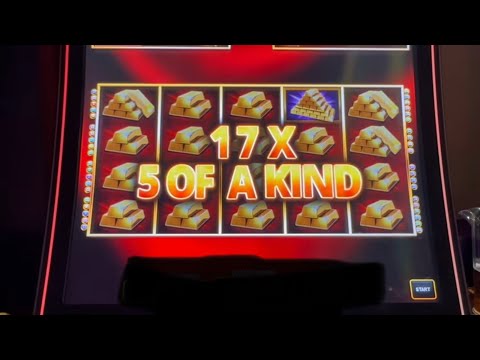
- Slots use symbols and paylines, and chance determines their outcomes
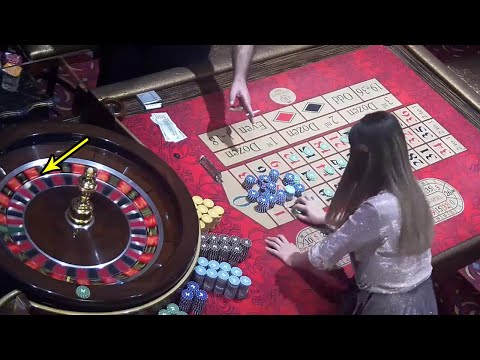
- The aim in roulette is to predict where the ball will land after spinning
- Blackjack asks players to measure their card totals against the dealer’s
- In baccarat, two hands are compared after cards are dealt in a set order
- Poker features ranked hands, rounds of betting, and decisions made in response to opponents
These game types feel distinct because each calls for a different pattern of decisions. A slot game generally takes little time to learn and has short rounds, while blackjack involves choices within each hand. Poker brings strategic choices about opponents and betting into the game. This broad range can be described as Online Games and Entertainment, rather than as one specific game or format. A grasp of the basic mechanics helps players find an experience that fits their interests and attention span.
Compare the ways casino game mechanics work
- When playing slots, check symbol combinations, paylines, and what starts a bonus round
- In roulette, learn the layout of the table and the types of bets available
- For blackjack, understand card values and the points at which choices are allowed
- Check which results correspond to Player, Banker, and Tie in baccarat
- Understand poker hand rankings, who acts when, and the limits on bets
Beyond describing possible moves, the rules determine how a round opens, which options are available, and when a result is finalized. In blackjack, an extra card affects the hand total; in roulette, a bet points to an outcome or group of outcomes before the spin takes place. The poker variant affects the rules, so knowledge of standard hand rankings cannot explain all betting formats.
Read the game’s instructions before the round starts
The objective, the sequence of play, and the permitted actions are typically explained in a game’s information panel or table instructions. Before settling on a choice, read the details carefully, especially if a known game name belongs to a different version. A particular game may differ through an unusual hand ranking, a changed number of decks, or a distinct sequence for betting. Learning how the procedure works helps clarify which choices involve strategy and which outcomes follow from the rules, while making play easier to track.
Examine the details that shape a game round
Pay attention to small differences in the rules that change the meaning of a decision. A payout table, for example, sets out how listed results are paid; it cannot forecast the result that will occur. For table games, the sequence of actions may matter as much as the goal. Looking over these points makes games easier to compare and helps avoid assumptions drawn just from their names.
- Verify the game’s aim and how it defines a winning result
- Check how actions proceed from the opening of a round to the settlement of its result
- Take note of choices players make and steps controlled by the rules
- Compare the betting options without treating their chances as the same
- Before using familiar game knowledge, review the rules for the particular variant
It is especially useful to distinguish rules from strategy when moving from one version to another. A player might recognize the general aim of blackjack and still find that one variation allows different actions. Likewise, poker hand rankings may remain familiar even as the betting format changes. For each version, let the game’s own instructions guide you, and use broader knowledge only when it is clearly relevant.
Consider common casino game formats
| Game type | What shapes a typical round |
|---|---|
| Slots: symbols, combinations, and the paytable shown | Chance-based results, usually with no player decisions |
| Roulette, where players select bets before spinning | The result of the wheel determines how each marked wager is settled |
| Blackjack: player actions as the cards are dealt | A comparison between hand totals and the dealer’s hand |
| Poker, with hand rankings and wagering decisions | The variant’s rules shape the order of turns and showdowns |
Use this comparison as an introduction rather than a ranking of the games. It shows the usual focus in each game: the paytable in slots, the wager in roulette, a decision in blackjack, or hand strength and betting in poker. These differences matter because an attractive theme does not explain a game’s actual mechanics. Reviewing the specific instructions helps explain how quickly the game moves and what it asks of players.
From game selection to participation
Once a category appears suitable, first understand its rules, then choose the interaction you want, and begin at a pace you can keep up with. Some people want simple controls and short rounds, whereas others enjoy learning a more involved decision-making process. In visit website, presentation may vary by format, while the underlying rules remain in place. Keeping both layers in mind helps set realistic expectations.
Review different game formats and practice options
Certain games include practice or demonstration play, whereas others may present the game directly; options differ between games and services. When there is a practice option, players can use it to learn the controls, turn sequence, or outcome process without making a real-money wager. It cannot guarantee future results or recreate every condition of paid play. Casual puzzles, arcade challenges, and multiplayer games provide options when someone prefers competition or problem-solving over casino-style wagers.
Match your pace to the type of game
A game’s category is only one factor in its pace, which is also shaped by round length, decision frequency, and interface messages. A rapid game can leave only short intervals between outcomes, while turn-based play allows breaks between turns. Decide in advance how long you will play and, when relevant, what amount you are comfortable spending. Maintain that boundary regardless of an individual result, since winning or losing does not affect the rules or predict what comes next.
Explore formats for online games and entertainment
| Play format | Typical focus for the participant |
|---|---|
| Casual single-player games: short challenges for one player | Progressing through a game, solving puzzles, or completing tasks against the clock |
| Multiplayer games: playing alongside or against other people | Taking turns, competing, or coordinating with other participants |
| Casino-style games that use clear round and outcome structures | Reviewing the rules, decisions, and settlement of results |
| Live-hosted table games, shown in real time | Following dealer actions and the game information displayed |